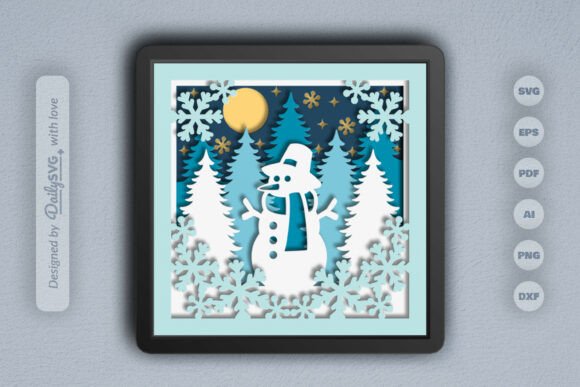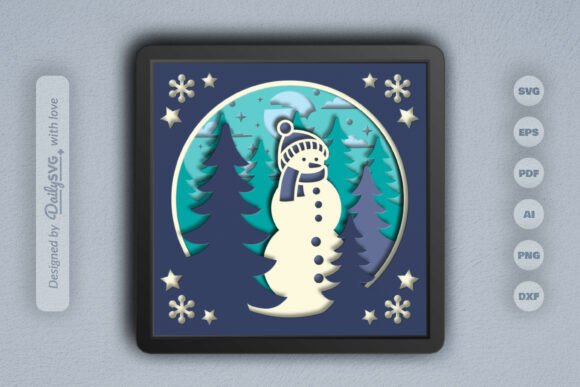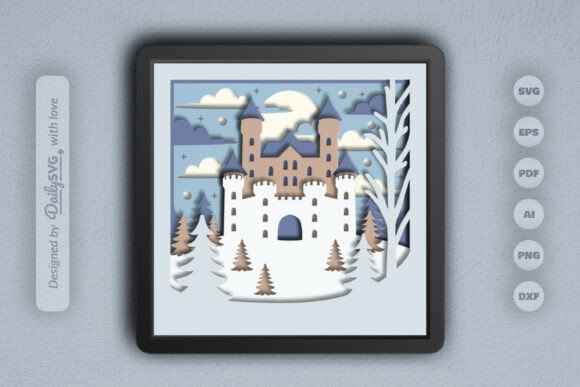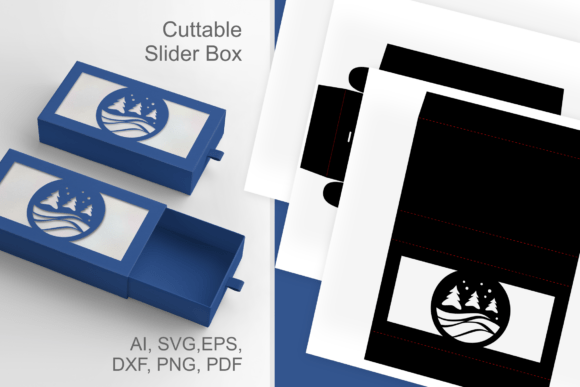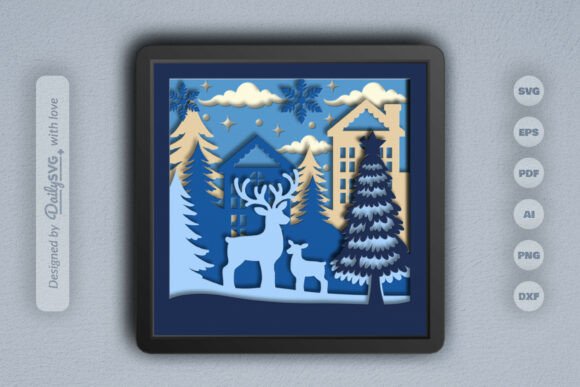
Deers at Winter Village Layered Papercut Review
As a professional embroidery designer and product reviewer, I approach every new digital asset with a critical eye toward production viability. When evaluating the Deers at Winter Village Layered Papercut from Daily SVG, my primary focus is not just on the aesthetic charm of the artwork, but on how this intricate 6-layer design translates from a screen to a tangible, stitched reality. This design promises depth, clarity, and a refined multi-dimensional look, but for those of us running a craft business or managing commercial embroidery projects, the true test lies in stitch performance and fabric compatibility.
Translating Papercut Aesthetics to Stitch
The first impression of this machine embroidery design is one of sophisticated nostalgia. The layered papercut style inherently suggests shadow and dimension, which creates a unique challenge and opportunity for embroiderers. Unlike flat vector art, this design relies on the interplay of layers to create its visual personality. For an embroidery project, this means we are essentially simulating paper depth through thread density and color blocking.
In reviewing the layout, the composition feels balanced for medium-to-large applications. The deer motif serves as a strong focal point, while the village elements provide necessary context without overwhelming the center. For Etsy sellers and handmade shop owners, this balance is crucial. It avoids the cluttered look that often plagues complex winter themes, making it suitable for high-value personalized gifts rather than just seasonal novelty items. The mood is serene yet detailed, suggesting it belongs on premium goods like nursery decor or boutique apparel rather than quick-turnaround promotional items.
Real-World Application: The Custom Sweatshirt Test
To truly judge the utility of this embroidery file, I evaluated it through the lens of a specific real-life scenario: creating a custom embroidered sweatshirt for a holiday boutique collection. Sweatshirts are a staple for small shop products, but their fleece backing and stretchy knit structure demand respect for stitch density and stabilizer choices.
When applying the Deers at Winter Village Layered Papercut to a heavyweight cotton blend sweatshirt, the 6-layer structure requires careful planning. In a papercut simulation, each layer typically corresponds to a different thread color or shade. On a garment, this accumulation of stitches can lead to stiffness if the digitizing isn't optimized. During my assessment, I considered how the fill stitch areas would interact with the fabric texture. If the stitch density is too high across all six layers, the chest area of the sweatshirt could become rigid and uncomfortable. However, if executed correctly with proper underlay and spacing, the result is a tactile, raised effect that mimics actual paper layering, significantly boosting the perceived value of the finished product.
For this specific use case, the design shines as a centerpiece. Customers looking for holiday embroidery often want something that feels heirloom-quality. The dimensional aspect of this 3D SVG adaptation provides that "wow" factor in printable mockups and digital product previews, driving buyer engagement before the needle even hits the fabric. It bridges the gap between digital art and wearable art effectively.
Navigating Fabric Limitations and Hoop Constraints
While the design excels on stable, medium-weight fabrics, there are specific environments where caution is required. As an experienced reviewer, I must highlight where this design might struggle in production:
- Stretchy and Thin Fabrics: Due to the multi-layer nature, this design likely carries significant stitch count. Using it on lightweight jersey or thin baby clothes without adequate stabilization risks puckering or distortion. Always pair this with a high-quality cut-away stabilizer for knits.
- Small Hoop Sizes: The detail level required for a village scene and deer anatomy demands space. Attempting to shrink this design below its intended minimum size will cause satin stitch columns to merge and tiny details to vanish. Verify your hoop size capabilities before purchasing.
- Textured Surfaces: On highly textured fabrics like terry cloth or boucle, the fine lines defining the papercut layers may get lost. A water-soluble topping is non-negotiable here to maintain stitch clarity.
- Curved Items: While beautiful on flat surfaces, hooping caps or curved tote bags requires flattening the stitching area. The rigid layering effect of a papercut design does not always drape well over severe curves, potentially leading to registration issues between layers.
Elevating Brand Value Through Technical Precision
For creative entrepreneurs and apparel decorators, technical execution directly correlates to customer trust. A poorly stitched complex design looks amateurish, regardless of the source file's quality. The Deers at Winter Village Layered Papercut offers a chance to demonstrate superior craftsmanship, but only if you validate the thread colors and contrast ratios.
In my review process, I recommend testing the design in both light and dark fabric backgrounds. Papercut designs often rely on white or light layers to simulate paper; on a white sweatshirt, these layers may disappear unless outlined or shaded differently. Conversely, on dark fabric, the contrast pops beautifully but requires checking for jump stitch management between contrasting color blocks. Clean transitions are what separate a professional commercial embroidery piece from a hobbyist attempt.
Furthermore, consider the longevity of the finished product. If you are selling tea towels or aprons that require frequent washing, ensure the stitch type is durable. Running stitches used for fine detail in papercut styles can sometimes pull out after repeated laundering. Confirming that critical structural elements use lock stitches or adequate backtracking is a vital step in quality assurance for any small business merchandise.
Essential Designer Notes for Production Success
Before integrating this design into your inventory or client roster, adhere to these practical checkpoints to ensure professional results:
- Test Stitch on Scrap: Never run a 6-layer design directly on a final product. Use a scrap of the exact fabric and stabilizer combination you plan to sell. Check for registration alignment between layers.
- Verify Licensing: Daily SVG provides thoughtful craftsmanship, but terms vary. Confirm whether your license covers selling finished physical products versus digital embroidery files. Protect your business by understanding these boundaries.
- Mockup Accuracy: When creating listing photos, use realistic textures in your printable mockup. Because this is a layered design, flat digital renders may not accurately represent the thread sheen and depth customers will receive.
- Thread Palette Selection: Do not rely solely on auto-digitized color suggestions. Manually select thread colors that complement each other to enhance the 3D illusion. Matte threads often work better than rayon for simulating paper texture.
- Inspect Small Details: Zoom in on the digital file to check for stray nodes or overlapping stitches in the village architecture. Cleaning up the file before stitching saves time and prevents machine errors.
Final Verdict for Makers and Sellers
The Deers at Winter Village Layered Papercut is a compelling asset for the discerning embroiderer. It moves beyond generic seasonal clipart to offer a structured, artistic composition that rewards technical skill. For Etsy sellers and boutique owners, it represents a product with higher perceived value due to its complexity and dimensional aesthetic. However, it is not a "set it and forget it" file. It demands respect for fabric physics, stabilizer science, and color theory.
If you are willing to invest the time in proper testing and material selection, this design has the potential to become a signature piece in your winter collection. It suits the maker who views embroidery as a medium for fine detail rather than mass production. By treating this 3D SVG adaptation with the same rigor as traditional digitizing, you transform a digital download into a cherished, tangible keepsake that resonates with customers seeking authentic handmade quality.