DIY Car Favour 3D SVG: Shapes for Digital Sellers
As a digital product creator who has managed multiple Etsy shops and creative marketplace listings, I approach every new graphic design asset with a critical eye. When evaluating the DIY Car Favour for potential inclusion in a commercial design portfolio or a seasonal collection, my first impression is that this asset occupies a specific, high-value niche. It is not merely a flat illustration; it is a structural project. The mood is distinctly playful yet precise, appealing to buyers who are looking for interactive party elements rather than static decorations. For sellers targeting the children’s birthday market, specifically transportation-themed events, this asset offers a tangible value proposition that standard clipart cannot match.
The visual personality of this DIY Car Favour strikes a balance between handmade charm and professional utility. It feels festive and commercially viable because it solves a specific problem for the end consumer: creating cohesive party favors without hiring a custom designer. From a business perspective, this type of 3D SVG and printable design attracts crafters, busy parents, and small event planners who need reliable results. However, as a seller, you must recognize that this is an intermediate-level product. The requirement for assembly means your target audience is willing to invest time, which typically correlates with higher customer satisfaction when the instructions are clear and the files are flawless.
Evaluating File Versatility for Commercial Product Creation
When preparing this asset for a shop listing, the included file formats dictate your selling strategy. Receiving PDF, EPS, DXF, JPG, and PNG files provides excellent flexibility for a digital download listing. For Cricut users and Silhouette crafters, the DXF and EPS files are the primary selling points. These vector-based formats ensure that the cut lines for the car shapes are crisp and scalable, which is non-negotiable for paper crafting. I always test these vectors personally before listing to ensure there are no stray nodes or open paths that could ruin a customer's cardstock.
The PNG and JPG files serve a different segment of your buyer base. These are essential for Canva template sellers or designers creating matching party stationery. You can use the flattened car image as a decorative element on invitation templates, thank-you cards, or social media graphics promoting a "Car Theme Birthday Bundle." While the core product is a physical assembly, the digital assets allow you to create a comprehensive ecosystem of products. For example, you could pair this DIY Car Favour with matching cupcake toppers or banner designs to increase the average order value through strategic bundling.
Real-World Application in Print-on-Demand and Digital Sales
In a real shop scenario, I would position this DIY Car Favour as a centerpiece for a broader transportation collection. Beyond the direct sale of the favor template, consider how this asset translates to other revenue streams. Sublimation design is a key area here. While the original file is intended for paper assembly, the aesthetic can be adapted for t-shirt designs or mug designs featuring a "Little Racer" theme. The clean lines typical of this style work exceptionally well for heat transfer vinyl projects, making it a dual-purpose asset for both paper crafters and apparel creators.
For print-on-demand sellers, this graphic design asset can be incorporated into nursery wall art or sticker design sheets. The assembled size of approximately 9 x 11 x 28 cm gives you a solid reference for scale when creating complementary digital products. If you are selling planner stickers or scrapbooking kits, extracting individual elements from the car design—such as wheels, windows, or decorative stripes—can provide unique embellishments that tie back to the main product. This cross-pollination of assets maximizes the return on investment for a single design file while maintaining brand identity across your shop.
Critical Presentation Strategies for Marketplace Listings
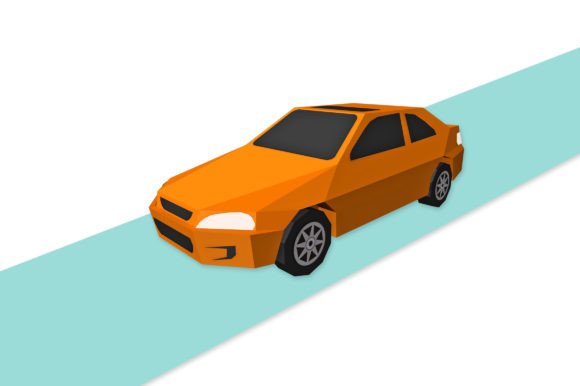
Selling a 3D object in a 2D digital marketplace requires superior visual storytelling. Your product mockup is the single most important factor in conversion. Do not rely solely on the digital rendering of the unfolded template. Buyers need to see the finished, assembled car to understand the perceived value. I recommend photographing a physical prototype in natural light, styled alongside other party elements like balloons or confetti, to establish context. This demonstrates the final dimensions and helps customers visualize the item at their own events.
Thumbnail appeal is equally crucial. In crowded search results for "car party favor," your main image must communicate "easy assembly" and "professional finish" instantly. Use a bright, high-contrast background. Avoid dark backgrounds for this specific niche, as they can make colorful paper crafts look muddy or unappealing. Ensure your listing images clearly display the assembled size and perhaps a step-by-step graphic preview. This transparency builds customer trust and reduces pre-sale questions about difficulty levels. Visual hierarchy in your listing photos should guide the buyer from the emotional hook (the cute finished car) to the practical details (file formats and tools needed).
Technical Constraints and Seller Precautions
While this asset is versatile, it must be used carefully to avoid negative reviews. The estimated two-hour assembling time is a significant factor. Be honest in your product description. If a buyer expects a five-minute craft and receives a complex architectural build, they will be frustrated. Clearly list the required tools: colored printer, glue, scissors, craft knife, and scorer or bone folder. This filters out buyers who lack the necessary equipment and ensures that those who purchase are prepared for the project.
From a technical standpoint, verify the resolution of the JPG and PNG files. If a customer intends to use the graphic for a large banner or a high-quality print, low-resolution files will result in pixelation and refunds. Always confirm that the PNG has a transparent background if marketed as clipart. Additionally, check the licensing terms rigorously. Just because you bought the asset does not mean you can resell the raw files. Ensure you have a valid commercial license to sell finished physical products or modified digital templates. Protecting your business means respecting intellectual property while delivering original value to your customers.
Optimizing Design Assets for Professional Results
To elevate this DIY Car Favour within your shop, pay attention to typography pairing. If you are creating editable Canva templates or promotional social media graphics using this asset, font choice matters immensely. Pair the structured, geometric shapes of the car with a bold sans serif font for a modern racing look, or a playful handwritten font for a toddler’s birthday vibe. Avoid overly ornate script fonts that might clash with the mechanical nature of the vehicle shapes. Good typography enhances the visual hierarchy and makes your marketing materials look cohesive.
Finally, organize your delivery files impeccably. When a customer downloads this digital product, they should find a clearly labeled folder structure. Separate the cut files (DXF/EPS) from the print-ready PDFs and the preview images. Include a simple instruction sheet or link to a video tutorial if possible. This level of professionalism distinguishes established sellers from amateurs. By treating this DIY Car Favour not just as a file but as a complete user experience, you enhance your brand reputation, encourage repeat business, and justify a premium price point in the competitive creative marketplace.