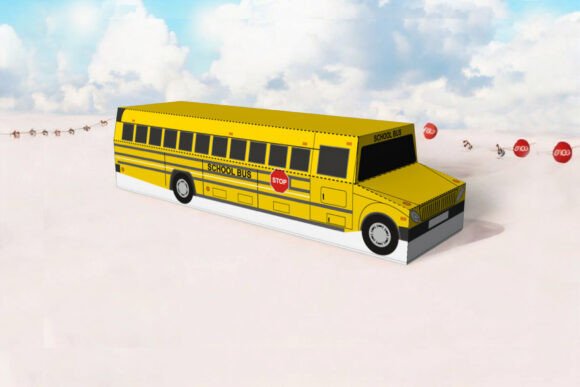
School Bus Favor 3D SVG: Editorial Shapes Review
As a digital publisher and blog designer, I constantly evaluate graphic design assets not just for their aesthetic appeal, but for their functional utility in a real content marketing workflow. When reviewing the School Bus Favor - 3d Papercraft asset, my first impression was one of structured nostalgia mixed with modern tactile engagement. This is not merely a flat illustration; it is a dimensional concept that bridges the gap between digital content and physical interaction. For publishers in the education, parenting, or seasonal lifestyle niches, this asset establishes an immediate editorial mood that is playful yet organized. It signals to the reader that the content is hands-on, trustworthy, and meticulously crafted.
The visual weight of this 3D SVG concept creates a unique focal point for website headers and featured images. Unlike generic stock photography, papercraft aesthetics suggest authenticity and effort, which significantly boosts reader trust. In an era of AI-generated saturation, showing a tangible, assembled object implies a human touch. This specific asset, with its distinct geometric shapes and vibrant color potential, naturally supports content that values creativity and instruction. It feels less like corporate clip art and more like a curated editorial design element suitable for high-quality blogs and newsletters.
Integrating Tactile Visuals into Digital Publishing Workflows
In my daily publishing workflow, versatility is non-negotiable. The School Bus Favor - 3d Papercraft serves as a multi-functional anchor across various content formats. When designing Pinterest pins, the three-dimensional nature of the bus provides necessary depth that stops the scroll. Flat graphics often get lost in busy feeds, but the implied shadows and layers of a papercraft render create a visual hierarchy that demands attention. I have found that pin designs featuring dimensional crafts consistently outperform flat vectors because they promise a tangible reward to the user.
For blog graphics and article headers, this asset acts as a perfect thematic bridge. If you are writing a back-to-school guide, a teacher appreciation post, or a DIY party planning tutorial, placing this visual at the top sets clear expectations. It works exceptionally well as a hero image because the 23 x 16 x 16 cm scale translates beautifully to standard web dimensions without looking pixelated or cramped. Furthermore, for those creating digital products or lead magnets, this asset can be featured on eBook covers or PDF worksheet headers to increase perceived value. It transforms a simple digital download into something that feels premium and actionable.
I also see immense value here for affiliate marketing and product reviews. If you are promoting craft supplies, paper stocks, or educational toys, using this papercraft model as a contextual backdrop reinforces the utility of the products you are selling. It moves beyond sterile product shots and shows the items in use. Additionally, for newsletter creators, this graphic serves as an engaging banner that breaks up text-heavy emails, improving click-through rates by adding a splash of color and personality to the inbox.
Strategic Placement for Maximum Content Performance
Understanding where to deploy this asset is just as important as the asset itself. Based on my testing, the School Bus Favor - 3d Papercraft performs best in medium-to-large display areas. Hero sections, category thumbnails for "Crafts" or "Education," and dedicated resource pages are ideal environments. The complexity of the folded paper texture requires enough screen real estate to be appreciated. When used as a content upgrade visual beside a download button, it increases conversion by visually representing the outcome the user will achieve.
However, publishers must exercise caution in specific contexts. Avoid using this detailed papercraft style in small mobile thumbnails or favicon-sized icons; the intricate folds and glue tabs will blur into visual noise. Similarly, if your website utilizes a strict minimalist or dark-mode corporate aesthetic, this asset may clash with your brand identity. It is inherently cheerful and textured, so it struggles against low-contrast backgrounds or overly serious professional layouts. Always ensure there is ample negative space around the asset to let the shapes breathe. Crowding this graphic with heavy text overlays destroys its dimensional illusion and reduces readability.
Technical Considerations for Professional Web Design
From a technical web design perspective, there are several practical notes to consider before publishing. First, always test the asset on both desktop and mobile screens. What looks crisp on a 27-inch monitor may appear cluttered on a smartphone. I recommend previewing the graphic inside your actual blog layout rather than in isolation. Check how the colors interact with your site’s typography. Does the yellow of the bus complement your accent colors, or does it vibrate unpleasantly against them?
Typography pairing is critical for maintaining visual hierarchy. This papercraft style pairs exceptionally well with rounded sans-serif fonts or clean handwritten scripts that mimic the crafting aesthetic. Avoid rigid, industrial typefaces that contradict the organic, handmade feel of the asset. Regarding performance, ensure you compress any rendered images of this 3D model properly. While the source files are lightweight, high-resolution renders can slow down page load times if not optimized. A fast site is essential for retaining the traffic attracted by your beautiful visuals.
Finally, and most importantly for commercial publishers, verify the commercial license. Before using this asset on monetized websites, affiliate pages, or within paid Canva templates, confirm that your usage rights cover these activities. Many creative marketplace assets have different tiers for personal versus commercial use. As a professional, respecting intellectual property protects your business and supports the designers who create these valuable resources. Proper licensing ensures your small business branding remains ethical and secure while you leverage this fantastic creative design element.
Evaluating Assembly Specs for Content Accuracy
When reviewing this asset for editorial use, we must look at the specifications provided: School Bus Favor Digital Files with an assembling time of approximately 30 minutes and a finished size of 23 x 16 x 16 cm. These details are gold for content creators. They allow you to write accurate, helpful copy. Knowing the assembly time helps you categorize the project correctly—is it a quick classroom activity or a weekend parent-child project? Thirty minutes suggests accessibility, making it perfect for "Quick Crafts" or "Last Minute Party Favors" articles.
The dimensions (23 x 16 x 16 cm) are equally vital for printable design accuracy. When creating tutorials or video content based on this 3D SVG, you can confidently tell your audience what to expect regarding scale. You will receive a PDF, which is universally accessible, but remember to advise your readers on the necessary tools: colored printer, glue, scissors, craft knife, scorer or bone folder, and non-woven material for durability. Listing these requirements upfront in your blog post improves user experience and reduces bounce rates caused by frustration. By integrating these technical specs into your narrative, you transform a simple graphic asset into a comprehensive, authoritative resource that serves your audience and enhances your site's reputation for quality modern design.