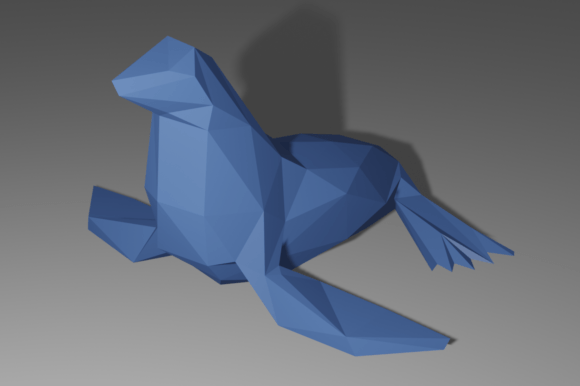
Seal Papercraft Template: 3D SVG Shapes for Branding
Evaluating Whimsy and Texture for Artisan Packaging Design
When I first opened the Seal Papercraft Template file, my immediate reaction was not just about the geometry of the shapes, but the distinct emotional texture it promised. As a brand designer working primarily with local artisans and boutique food businesses, I am constantly searching for assets that bridge the gap between digital precision and handmade warmth. This specific graphic design asset immediately suggested a mood that is playful, tactile, and inherently organic. It does not scream corporate efficiency; instead, it whispers craftsmanship and delight.
For a recent project involving a small-batch coastal skincare line, "Salt & Shore," I needed a visual anchor that felt premium yet approachable. The description invites users to dive into an enchanting world of papercraft, and that sense of enchantment translates surprisingly well to flat commercial design. The 3D SVG format provides depth without the heavy rendering time of full 3D software, making it an efficient choice for small business branding where agility is key. The seal shape itself evokes marine life, gentleness, and natural playfulness, making it an ideal candidate for brands rooted in nature, children’s products, or artisanal foods.
Translating DIY Charm into Professional Brand Identity Assets
The true test of any design asset is its versatility across different touchpoints. While this template is marketed as a DIY sculpture project, I evaluated it strictly through the lens of professional branding applications. For the skincare client, we utilized the vector outlines not as a literal paper craft instruction, but as a stylized illustration element for product labels and packaging design.
In logo design and brand identity systems, this asset serves best as a secondary mark or a supporting illustrative element rather than a primary logotype. The intricate lines characteristic of papercraft templates add a level of detail that suggests "handmade" without looking messy. We used the seal silhouette on hang tags for soap bars and as a watermark on thank-you cards. Because it is a 3D SVG, I could easily manipulate the layers to create a flattened version for small product labels while retaining the full dimensional version for website banners and social media graphics.
For marketing visuals, this asset shines in editorial design and storytelling. When creating Instagram carousels explaining the sourcing of ingredients, the papercraft aesthetic reinforced the narrative of careful, layered creation. It provided a consistent visual theme that tied together disparate pieces of content, from printable inserts in shipping boxes to digital ads promoting seasonal bundles. This consistency is vital for building customer trust and recognition in a crowded local market.
Strategic Placement: Enhancing Shelf Appeal and Visual Hierarchy
Knowing where to place a decorative element is just as important as the element itself. During the mockup phase, I found that the Seal Papercraft Template works exceptionally well as a hero graphic on landing pages and as a border accent on menu designs for cafes or bakeries. Its whimsical nature draws the eye, creating a stronger first impression that feels friendly and inviting.
However, strategic restraint is necessary. In packaging design, visual hierarchy is paramount. I would advise against using this detailed asset on ingredient-heavy layouts or areas requiring legal compliance text. The complexity of the papercraft lines can compete with small typography, reducing readability. Instead, use it in negative space or as a background texture with reduced opacity. It is perfect for boutique visuals where the goal is emotional connection, but it should be used carefully in formal corporate branding or luxury minimalist contexts where clean lines and stark simplicity are preferred over decorative intricacy.
For food businesses and handmade sellers, this asset supports better shelf appeal by breaking up rigid grid layouts. A rigid rectangular label can feel industrial; adding a soft, organic papercraft seal shape introduces a human touch that signals "small batch" to the consumer instantly. This subtle cue can improve perceived value and differentiate a product from mass-market competitors.
Technical Due Diligence: Testing Vectors, Fonts, and Licensing
Before integrating this asset into any client work or commercial product sales, rigorous technical testing is non-negotiable. As an experienced designer, I never assume a digital product is ready for print straight out of the download folder. Here is my practical checklist for evaluating this specific template for business use:
- Vector Editability: Confirm the 3D SVG is fully editable. You must be able to ungroup layers, change colors to match your specific brand palette, and simplify paths if necessary. If the file is merely a raster image inside an SVG container, it will not scale for large format posters or banners.
- Print Quality Assessment: Test the asset at various sizes. Papercraft templates often have thin connecting tabs designed for glue. In a 2D print application, these tabs might look like artifacts or errors. You may need to manually close gaps or smooth out jagged edges intended for folding to ensure a polished professional branding result.
- Typography Pairing: Test the asset beside your chosen fonts. The organic, slightly irregular lines of a papercraft seal pair beautifully with rounded sans-serif fonts or soft handwritten scripts. Conversely, they may clash with sharp, high-contrast serif fonts unless styled intentionally. Ensure the combination maintains legibility and balance.
- Monochrome Viability: Always check black and white usage. Many packaging applications, such as embossing, foil stamping, or single-color sticker printing, require solid silhouettes. Ensure the design holds its form and charm without relying on color gradients or shading.
- Commercial License Verification: This is critical. Just because an asset is available on a creative marketplace does not mean it is cleared for product packaging or resale. Review the licensing terms specifically for commercial design use. Ensure you have the right to use it on physical goods sold for profit, not just for personal DIY projects.
Building Emotional Connections Through Tactile Digital Design
Ultimately, the value of the Seal Papercraft Template in a business context lies in its ability to convey texture in a digital-first environment. Small business owners and marketers are often fighting against the sterile perfection of AI-generated imagery and generic stock vectors. This asset offers something different: a suggestion of physical reality.
When used thoughtfully in web design and social media campaigns, it reminds the customer that there are real hands behind the brand. Whether you are a florist designing a workshop flyer, a candle maker updating your Etsy shop banner, or a coffee roaster creating a new seasonal blend label, this asset provides a shortcut to conveying warmth and authenticity. It transforms standard promotional material into something that feels curated and special.
By treating this template as a foundational design element rather than just a craft project, local businesses can elevate their visual presence. It supports clearer brand storytelling, enhances the unboxing experience through printable design elements, and fosters a deeper emotional connection with customers who value the handmade aesthetic. In a market saturated with noise, the quiet, playful charm of a well-executed papercraft motif can be the distinctive signal that helps a brand be seen, remembered, and trusted.